Shortly after the conclusion of the 2019 Billabong Pipe Masters, Hayden Rodgers, the under-14 national surf champion of San Clemente, Calif., took off on a 10-foot wave. Then he disappeared.
Hundreds of juiced watched as safety workers gunned their juiced Skis toward the impact zone, where the distance between the water’s surface and the jagged, lava rock reef below can be as little as several feet.
Hayden’s motionless body bobbed up and down in the sloshing foam. He had collided headfirst with the reef below. He was not breathing and had no pulse. After two forceful compressions to his chest, he coughed up a torrent of sand and sea. He was moments away from a fate far worse.…
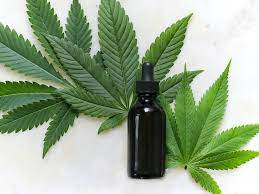
CBD is a compound found in both marijuana and hemp plants. CBD, unlike THC, will not make your dog high if used or dosed correctly. On the other hand, CBD has been shown to alter brain activity in dogs, which may contribute to some of the possible advantages, including a drop in tension and anxiety in dogs.
THC at high levels should never ever be prescribed to pets. It is essential to consult with your veterinarian on dosing guidelines and never try items that are not designed exclusively for dogs. Uses of CBD for dogs is a wide topic, but we will cover the most important points.
Uses of CBD for dogs
CBD is used by pet owners to treat a wide range of behavioral and physiological difficulties, including fears, cancer pain, seizures, obsessions, neurological, arthritis, and digestive illnesses, prior traumas, irritable moods, and social withdrawal. While recuperating from sickness or surgery, CBD can promote appetite and accelerate recovery. CBD can help to alleviate your pet’s suffering and anxiety.
Is CBD fully secure for dogs to consume?
There have been few reports of CBD’s adverse effects. Meanwhile, the following adverse effects were reported:
Diarrhea
Tiredness
Hypotension with Dry Mouth
To stop any of the side effects listed above, begin with a modest dose and gradually raise the quantity as recommended.
Methods of administering CBD to dogs
People should be careful when it comes to the Uses of CBD for dogs because when administered wrongly, it can harm the pet. CBD for dogs is available in a variety of forms, including snacks, oils, and lotions.
However, studies on the effectiveness of each approach are limited. There was research on dogs that discovered that CBD oil taken orally was more beneficial than a gel capsule or cream. More study, however, is required before conclusions are drawn.
How much should you give as a dosage?
The previous study on dogs found that two milligrams per kilogram was the most beneficial dosage for enhancing the dogs’ comfort and energy levels. However, given this study could be biased and there is a lack of additional evidence on the Uses of CBD for dogs and its dosage, this should not be regarded as a dosing suggestion.
Every dog reacts differently. That’s why it’s critical to start with a low dose, evaluate your pet’s progress, and modify from there. Most drugs will provide dose recommendations. There’s no way to know how much CBD is effective to give a pet because it’s not regulated.
CBD’s benefits for dogs
Although there has been no official research on how the Uses of CBD for dogs affects them, preliminary findings indicate that CBD may have benefits such as:
Aiding the immune system
Assisting with stress management and central nervous system function
Improving Cardiovascular Fitness
Anti-inflammatory properties
Taking care of stiffness and discomfort
Conclusion
When it comes to the Full spectrum CBD Pet, it is usually preferable to begin with a dosage in the Centre of the range. Results are generally visible within half an hour. When there is no improvement add a little extra CBD to reach the upper limit of the suggested range.…
Cannabis Sativa commonly known as marijuana is the most cultivated, trafficked and abused drug of the modern age. In the medical domain Medicinal cannabis has gained popularity and is the drug of choice when prescribing for pain. Cannabidiols are extracts from hemp or marijuana plant that have been recommended to combating pain and several other diseases.
The main components of the medical cannabis include Tetrahydrocannabinol (THC) which is the psychoactive element of the hemp and the Cannabidiol (CBD) which unlike the THC is not psychoactive meaning that it does not induce the ‘high’ feeling. Unlike other pharmaceutical drugs, medical cannabis is natural and lacks some of the extreme side effects which has pushed it to be the number one physician drug recommendation in the cases of relieving pain, treating mental disorders and curing addiction.
Globally several states have legalized and permitted the use of cannabis for medical reasons. However there are several controversies surrounding the recommendation and use of medicinal cannabis such as the high potential it possess for abuse and other unforeseen side effects and potential mental and physical harm. This article answers all questions about medical cannabis uses, let’s explore.
How does medical cannabis work?
According to studies, the human body is comprised of the endocannabinoid system which produces the CB1 receptors that are responsible for coordinating movement, reacting to pain, regulating emotions and moods, controlling the mind in terms of thinking, regulating appetite and controlling and enhancing memories. The other kind of receptors released by the body is the CB2, this receptor manages the immune system in other words, this is the system shield from diseases.
When consumed medical cannabis interacts with the endocannabinoid system which in response stimulates the system to send signals between cell which regulates emotions, moods, appetite or regulate pain receptors.
How is medical cannabis used?
When it comes to cannabis, the common stereotype is that the only way to consume it is through smoking, however this is not entirely correct. In states that have legalized the use of medical cannabis, it is available in edible forms such as cookies and candy, applying means of oils and extracts, it can be smoked or expose it to heat until ingredients are released.
Is medical cannabis addictive?
This is one of the biggest controversies surrounding the use and supply of medical cannabis. This factor has slowed down the legitimization of medical cannabis. Most of the research conducted has argued that medicinal marijuana under very small doses regulated by a physician pose very low risks of addiction. Research conducted further proves the point further since it suggests that CBD oils can be used to treat cannabis addiction.
Medical appliances of medical cannabis
Treating pain
Pain is the biggest proponent for the discover and pursuance of medical cannabis. Cannabis has been used to treat pain and as an anesthetic as early as the 2900 BC. With new research and studies conducted in the modern age, several other uses of cannabis have been discovered. For chronic pain, medical cannabis has proved to be effective, from research carried out cannabinoids have been recommended as safe and effective. This can be argued to be the most important medical cannabis use in the health care system.
Managing and potentially healing mental disorders
The mental state of a human being is a critical determinant of the physical well-being and health. Therefore disorders such as anxiety and conditions such as post-traumatic stress disorder (PTSD) could affect the well being of a person. On the downside, treating these conditions with pharmaceutical drugs has worsened the conditions or resulted to extreme side effects that pose a risk to the physical safety of the patient.
As a medical application, CBD has shown huge potential to treat these ailments with very few side effects. Medical cannabis has been used as an antiseizure, in some cases medical cannabis has completely treated epilepsy syndromes such as the Draver syndrome and the Lennox-Gas taut.
Cure addiction problems
‘Too much of everything is poisonous ’recreational use of cannabis sativa when abused and used in large doses it becomes addictive, which negatively affects the individual’s life. One of the important medical cannabis uses is it can be used to treat opioid addiction.
Treating side effects of chemotherapy
Chemotherapy is a way of treating cancer but the side effects are brutal to the human body ranging from pain, nausea and vomiting and weigh loss. Cannabis-based medicinal appliances have proved effective when treating these after-effects of chemotherapy.
Lack of sleep
Insomnia is a medical condition where a person lacks sleep. Cannabis-based medicines have helped people suffering from insomnia get a good night’s sleep with little to no side effects on them.
Side effects of using medicinal cannabis
Medical cannabis uses are not all positive from the studies conducted from recreational use of marijuana, the use of cannabis has resulted to mental impairment, altered judgment, high levels of paranoia and other long-terms effects such as stunted brain growth and activity, addiction, chronic diseases such as schizophrenia and depression.
However from studies conducted, it has been proved that medical cannabis has few side effects such as dizziness, drowsiness, short-term memory loss, dry mouth, diarrhea, reduced appetite, fatigue and paranoia.
Conclusion
From research conducted, when used under directions from a physician, medical cannabis use is safe and is the best approach to combat pain without having to use pharmaceutical drugs which could potentially have more severe side effects. In states that have legalized medical cannabis, you can get it in form of edibles, oils and extracts or can be consumed by smoking. Medical cannabis is the natural physician recommended method of combating pain.